Upcycled Fashion: A Smart Choice intended for Eco-Conscious Consumers


The international fashion industry is usually experiencing a significant shift toward durability. Consumers are progressively more aware of ecological challenges such while textile waste, polluting of the environment, and overproduction. Since a result, manufacturers and designers are adopting innovative approaches that prioritize liable production. One of the most significant trends shaping this transformation is the particular emergence with the silver bracelets movement, where creative professionals change unused materials in to unique, high-quality style pieces. This method not necessarily only reduces waste materials but also introduces originality and exclusivity into modern closets.
Based on recent sector reports, the fashion sector produces more than 92 million lots of textile waste materials annually. Sustainable techniques like upcycling are usually helping reduce this number while providing stylish alternatives in order to traditional fast trend. The growing curiosity in eco-friendly clothes reflects a wider cultural shift toward responsible consumption plus long-term environmental recognition.

What is Upcycled Fashion?
Upcycled trend refers to the process of repurposing discarded fabrics, antique garments, or unused materials into new, high-value clothing products. Unlike recycling, which regularly breaks materials down into raw components, upcycling enhances the original materials by creatively redesigning them.
Statistics show that practically 60% of consumers are today more likely in order to purchase products from brands that illustrate environmental responsibility. Upcycled clothing offers a new solution that brings together sustainability with artsy design, making it a good attractive option regarding modern shoppers.
Why Are Consumers Turning Toward Sustainable Trend?
Several factors clarify the rising recognition of sustainable vogue. Environmental awareness is among the strongest drivers. Youthful generations, especially millennials and Gen Unces, prioritize ethical consumption and transparency in the brands they help.
Studies indicate that around 73% of global consumers are ready to change their particular purchasing habits in order to reduce environmental effects. This trend features encouraged fashion companies to adopt more sustainable strategies, which include responsible sourcing, decreased waste production, in addition to eco-friendly manufacturing.
Upcycled fashion aligns completely using these values by minimizing waste and extending living cycle of textiles.
How Upcycling Supports Environmental Sustainability
Textile waste is one regarding the largest members to environmental air pollution. Traditional manufacturing operations require a lot of water, energy, and organic materials. Upcycling considerably reduces these needs because it is dependent on existing materials rather than fresh produced fabrics.
Market data shows of which producing one natural cotton shirt can demand over 2, seven-hundred liters of normal water. By reusing current materials, upcycling drastically lowers resource ingestion and carbon exhausts.
Additionally, sustainable vogue practices encourage responsible consumption, helping lessen the culture regarding disposable clothing.
Exactly what Makes Upcycled Trend distinctive?
One of typically the most appealing areas of upcycled fashion will be uniqueness. Because developers work with minimal materials, each item often becomes unique. This individuality adds artistic value in addition to exclusivity to clothing collections.
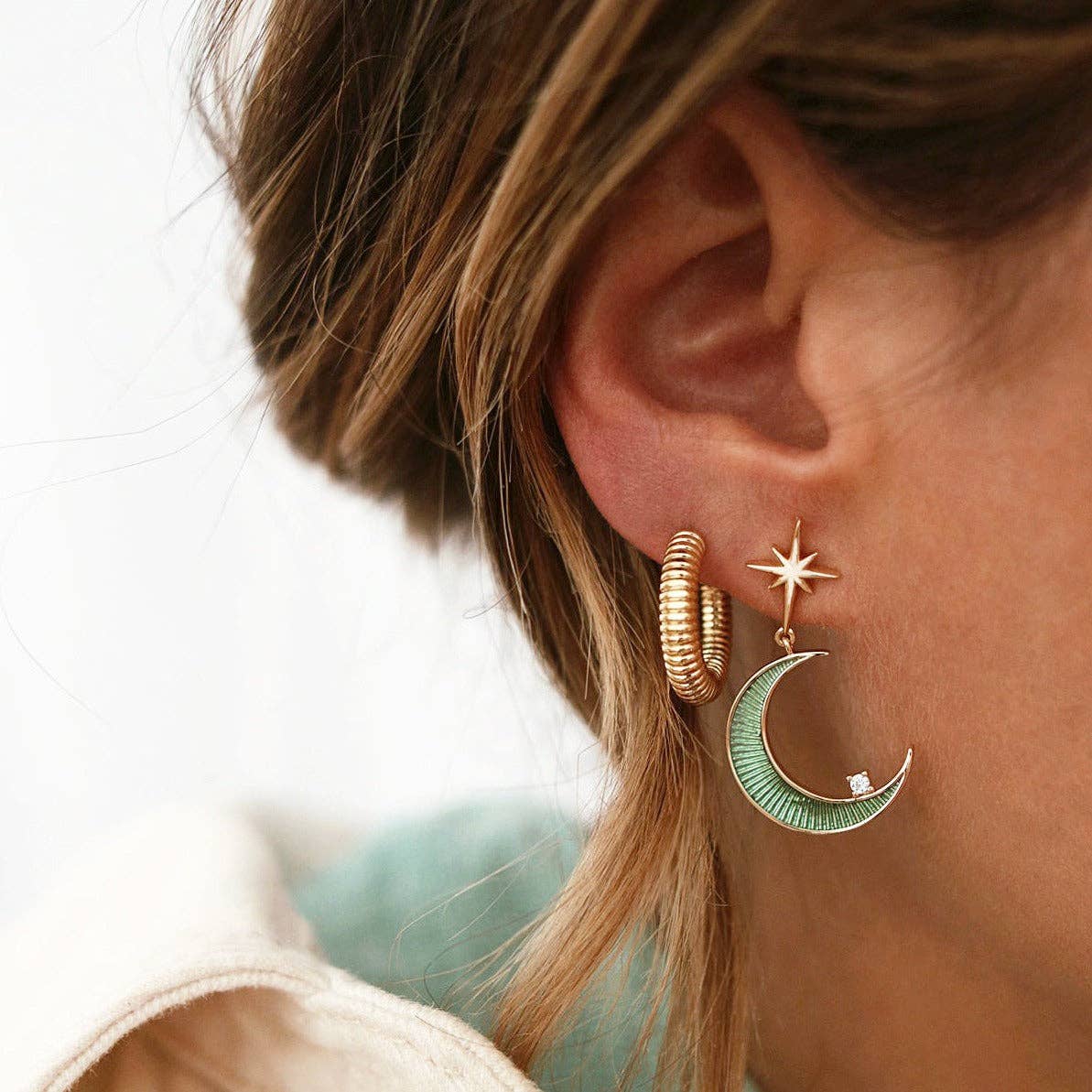
Fashion industry analysts report that limited-edition and handcrafted products have experienced significant progress recently. Consumers increasingly prefer distinctive pieces that reflect persona as opposed to mass-produced patterns.
This shift features helped elevate upcycled fashion from some sort of niche concept to a respected style approach within the global fashion marketplace.
What really does the Future Seem Like for Environmentally friendly Fashion?
The future of fashion is increasingly attached to sustainability and even innovation. Research shows that the global lasting fashion market could grow by a lot more than 9% annually over the following decade. This expansion is driven simply by evolving consumer anticipations, environmental policies, plus technological advancements throughout textile production.
Companies that prioritize dependable design practices will probably gain long-term trust and loyalty through customers. Upcycling will continue to have fun a major role in reducing fabric waste while uplifting creativity in fashion design.
As durability becomes a key industry standard, upcycled fashion will remain an important part of shaping a much more accountable and environment friendly attire market.